


An AI Visual Workflow for Real Shoots That Helped Xiaohongshu Posts Pass 30K Likes
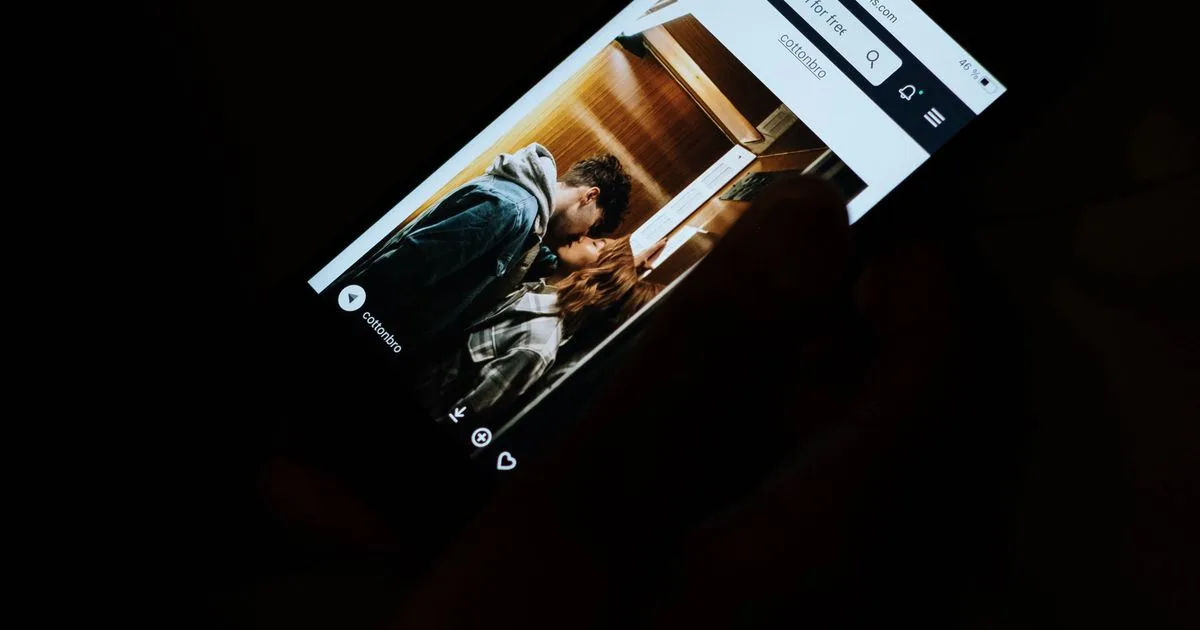
AI "evil cultivator" composition method: using AI samples to guide the actual shooting, Xiaohongshu was easily praised by 30,000 +
Monetization Angle
The play is to use AI as a pre-shoot director, then monetize the sharing. You photograph the empty scene at a scenic spot, feed it to Doubao's AI image feature, and get back an ideal composed portrait — where to stand, how to pose, what the frame should look like. You then direct the real shoot from that sample and post the result on Xiaohongshu as an experience post. It is the kind of unorthodox trick Chinese creators jokingly call an "evil cultivator" method: nothing fancy, just a cheap tool solving an expensive problem. The case behind this guide pulled 30,000+ likes with this approach. Monetization runs through Xiaohongshu traffic first, then the personal IP it accumulates, and later derivative services such as photography guidance and travel photography once followers trust your eye.
Best For
Photography beginners and travel enthusiasts who never know where to stand or how to pose when the camera comes out. It also fits Xiaohongshu content creators who want a repeatable visual gimmick for travel posts, and anyone shooting with friends on a phone instead of hiring a photographer. No camera gear, no editing skill, and no modeling experience are required — a phone plus Doubao covers the entire loop.
Difficulty
★★ Easy. The entire method is a phone camera plus one AI app, and the AI does the composition thinking for you. The only skill worth practicing is writing the prompt clearly enough — position, outfit, prop, mood — that the generated sample matches the real location and is actually followable on set.
Workflow
The loop takes one phone, one willing friend, and about as long as the shoot itself. Each step below maps to a real moment on location, from the empty background plate to the published Xiaohongshu post.
Run it once at a familiar spot before trying it at a crowded landmark, so the directing language is already comfortable when it matters.
- When you arrive at the attraction, shoot a clean frame of the scenery with nobody in it — sky, buildings, or flowers all work as the background plate.
- Open Doubao's AI image feature, tap upload image, and select the empty landscape photo you just took.
- Describe the portrait you want in the input box: where the person stands, the outfit such as a red dress, a prop like a coffee cup, a natural laugh, and a cinematic overall feel.
- Tap generate, wait about a minute, and have the AI produce three to four samples from different angles — then pick the strongest composition as your reference.
- Act as the director with the sample on your phone screen: tell your friend where to stand, where you will be, how to place the hands, and which way to tilt the head, exactly like staging a scene.
- Shoot the real photo from the sample's angle, compare it against the AI reference, and adjust the pose or framing if the two have drifted apart.
- Post the finished photo on Xiaohongshu with a title like "AI helped me find the perfect shot!", tagging travel and photography topics so the before-and-after story does the reaching for you.
Case Review
This case works because it repositions AI as a virtual photography assistant instead of a content generator: the published photo is real, and the AI sample only solves the two things amateurs lack — posing and composition. The barrier is genuinely low, the effect is visible in a single image, and the sharing loop on Xiaohongshu closes itself: every trip produces fresh before-and-after material, which accumulates into personal IP. That IP is where the money matures, through photography guidance, travel photography services, and similar derivative paths that price trust rather than gear. The method is also strongly reproducible and spikes around festival and holiday travel scenes, when everyone wants a beautiful photo and nobody has a composition plan. One discipline to keep: the sample is a guide, not the product. The published photo must still be a real photo from the real location, and the post should be honest about what the AI contributed — the usefulness is the point, not a bait-and-switch. For creators, the method doubles as a content engine: the sample, the staged shoot, and the final photo are three pieces of content from a single attraction. Official page check (https://www.doubao.com): The 专业创作版 (Professional Creation) membership is listed at ¥29/month with a 50% student discount; enterprise API access runs through 火山方舟 (Volcengine Ark), and login accepts phone number, Douyin QR code, or Apple account.
Tools Used
- Doubao — its AI image feature turns an uploaded empty landscape into an ideal portrait composition sample. Per the official page: The page promotes 豆包大模型 1.6 (Doubao large model 1.6) with four selectable thinking lengths, citing benchmark scores of 81.5 on GPQA Diamond and 86.3 on AIME25 (https://www.doubao.com)
- Phone camera — captures the clean background plate first and the final real portrait afterward.
- Xiaohongshu — publishing platform where the experience post earns likes, followers, and traffic monetization. As its official page puts it: Top navigation consists of 发现 (Discover), RED, 直播 (Live), 发布 (Post), 通知 (Notifications) and 消息 (Messages) (https://www.xiaohongshu.com)