


Revive classic folk-performance works with AI voice cloning
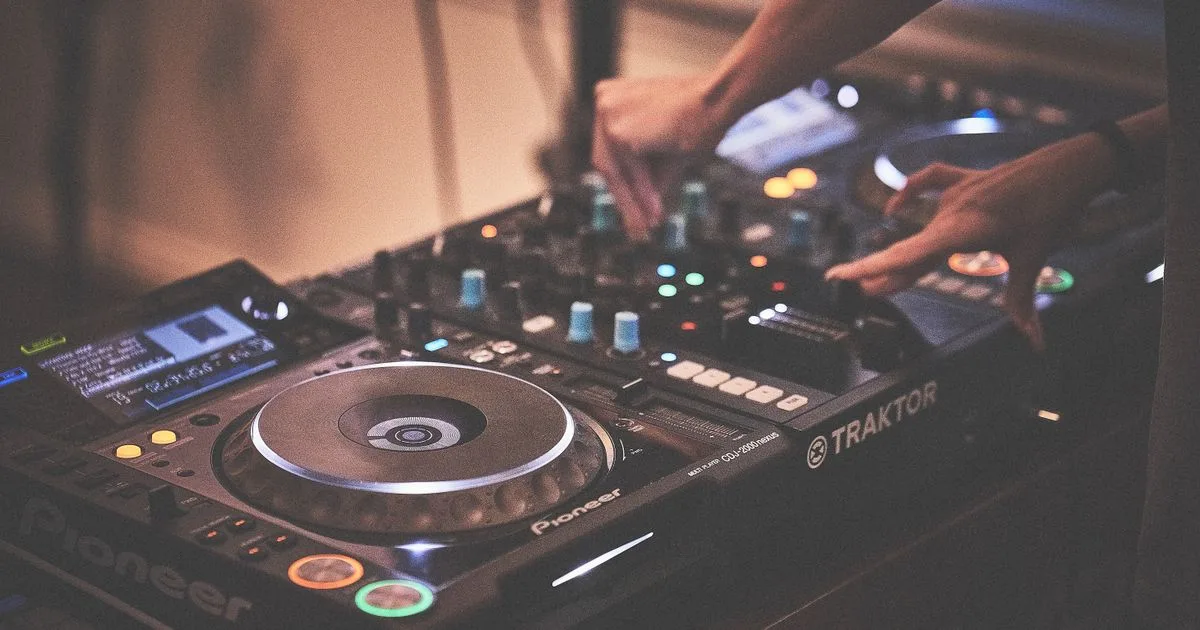
Use AI voice cloning to recreate traditional performance styles and make classic audio content relevant again.
Monetization Angle
The angle is restoration, not imitation: with permission from the performers or their rights holders, use AI voice cloning to bring classic folk-performance works back as new audio or video content for modern audiences. The value sits in material that already carries cultural recognition but has no current supply — the demand is old affection, and the AI workflow is what makes supply possible again.
Because every step is permission-first, the project is defensible in a way mass AI cloning is not: the rights clearance itself is the moat. Monetization follows distribution — the revived repertoire is packaged into shareable audio and video formats and released as an ongoing library that builds an audience over time, rather than gambling on one-off viral uploads. Each trained voice model is also reusable: once it exists, producing the next piece of revived repertoire costs a fraction of the first.
Best For
Operators who have real access to licensed or public-domain folk-performance archives, and the patience to clear rights with the performers or their rights holders before anything else happens. That relationship is the entry ticket; the tools are not.
It also fits culture-focused creators comfortable with a technical workflow — training a voice model takes iteration, and old recordings take cleanup. Archivists and small cultural organizations sitting on dormant recordings are the natural operators here. It is a poor fit for anyone chasing a fast trend, because reference-audio preparation alone rules out overnight output.
Difficulty
★★★★☆ High compared with most AI content cases. Training or fine-tuning a voice model with SoVits is genuinely technical, and the model is only as good as the reference audio it learns from — classic folk recordings are often noisy, which makes preparation slow.
On top of the machine-learning work sits a rights-clearance process that has no shortcut. Skip either layer and the project either sounds wrong or is not legally yours to publish.
Workflow
The pipeline runs from rights to model to release; skipping the first stage is what turns this case into a violation instead of a business. Expect the reference-audio preparation and model training to take most of the calendar time, and treat every cleared work as a reusable asset once the voice model exists.
- Secure permission from the performers or their rights holders first — the entire model only works on public-domain or properly licensed material.
- Select classic folk-performance works with clear vocal identity and strong emotional recognition, since those qualities are what the cloned voice needs to carry.
- Prepare high-quality reference audio from the original recordings so the voice-cloning model has enough clean material to learn the target style.
- Train or fine-tune the voice model with SoVits on the prepared reference audio.
- Test the cloned voice against the originals and iterate on the training set until style and emotion genuinely match — close is not good enough when the audience remembers the performer.
- Generate new performance content with the cloned voice, working within the repertoire the rights cover.
- Review every generated take before it ships, catching mispronunciations, artifacts, and off-style delivery by hand rather than trusting the model blind.
- Package the approved output into shareable audio or video formats suited to modern distribution, and release the revived works as a continuing series so the library compounds.
Case Review
This case is the permission-first counterexample to the voice-cloning content flooding social platforms. The technical core — a SoVits model trained on high-quality reference audio — is what makes the restoration convincing, but the defensible asset is the rights position: licensed repertoire cannot be legally copied by the next operator with a GPU.
The constraints are real. Old recordings make reference-audio preparation slow, model quality varies, and the audience for classic folk performance is narrower than for trending formats, so the payoff is a compounding library rather than a viral spike. And because the performer's identity is the draw, accuracy in the clone is non-negotiable — a near-miss voice reads as parody to the very audience you are trying to reach. The right mental model is an archive with a release calendar: each cleared work extends the catalog, and consistency of release — not any single video — is what turns revived material into a durable audience.
The engine at the core of this case, GPT-SoVITS, is an open-source project on GitHub, so software cost is not the barrier here — rights clearance is. GPT-SoVITS's official site frames the present state this way: Project tagline: '1 min voice data can also be used to train a good TTS model! (few shot voice cloning).' (https://github.com/RVC-Boss/GPT-SoVITS).
Tools Used
- SoVits — the voice-cloning engine used to train and fine-tune the target voice model. Official page highlights: Project tagline: '1 min voice data can also be used to train a good TTS model! (few shot voice cloning).' (https://github.com/RVC-Boss/GPT-SoVITS)
- Reference audio recordings — clean samples of the original performer that the model learns its style and emotion from.
- Audio and video packaging — the final stage that turns generated performances into shareable modern formats.